


Creation process
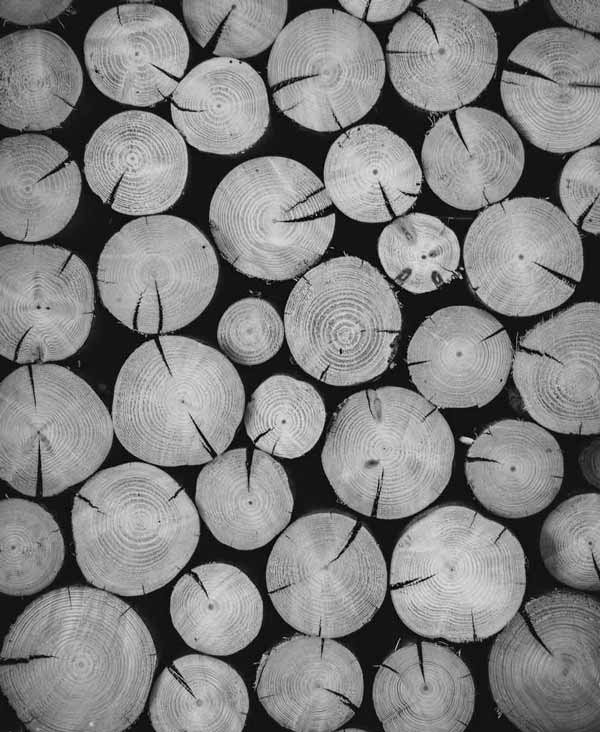
The search for the perfect piece of wood
The process for making a Leo Prinz Natural Hair Brush always begins with selecting the perfect piece of wood. We pay particular attention to finding suitable pieces from existing wood sources to reduce waste and the need to fell fewer new trees. Some of the wood comes from the recycling of small pieces of furniture, accessories, and tools. These pieces, due to their age and storage, possess high quality and beautiful grain patterns. The Kebony maple wood then undergoes a further organic finishing process, which makes the wood less susceptible to moisture and gives it a denser feel.
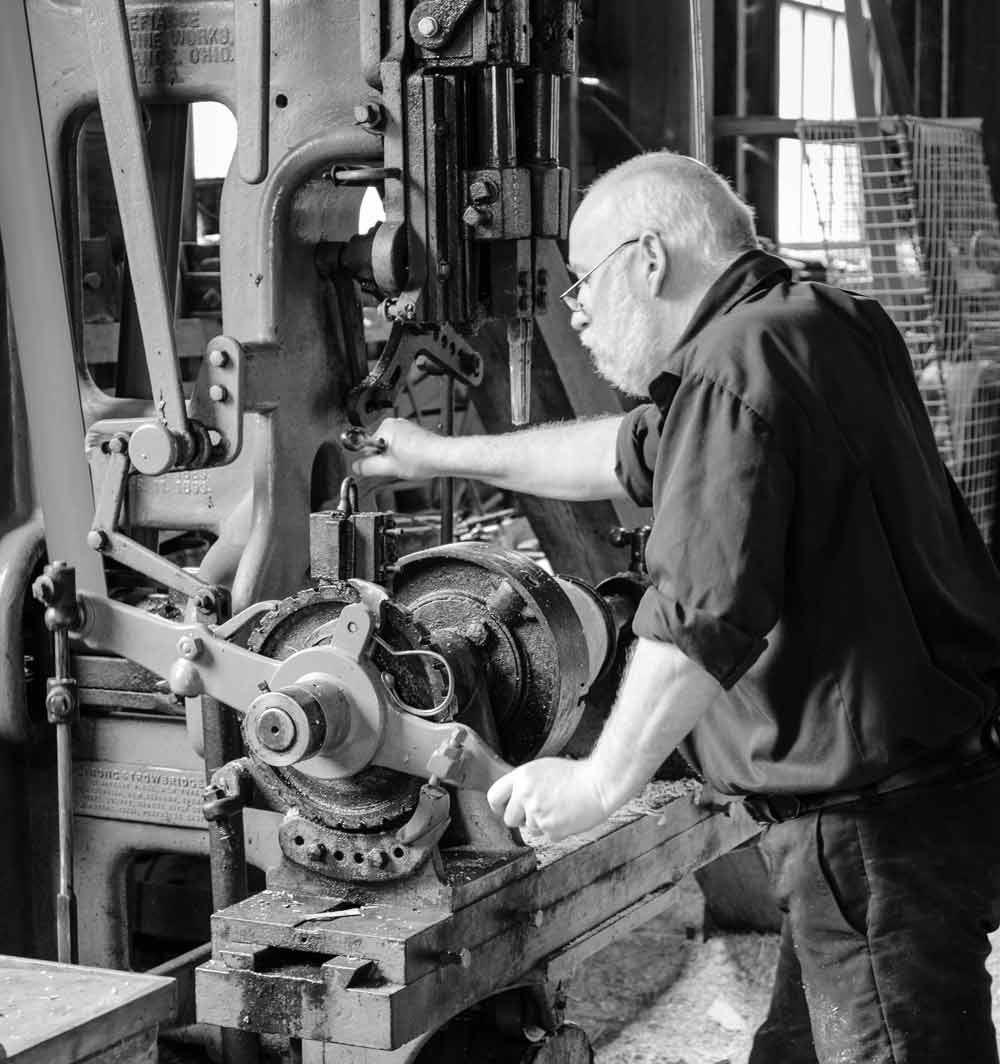
The brush shape is created
Next comes the rough processing. The unique brush body is carved from a solid piece of wood. In the next step, the fine edges are milled using special tools. Finally, the finishing touches are applied. Some of these can only be done by hand by specialists.
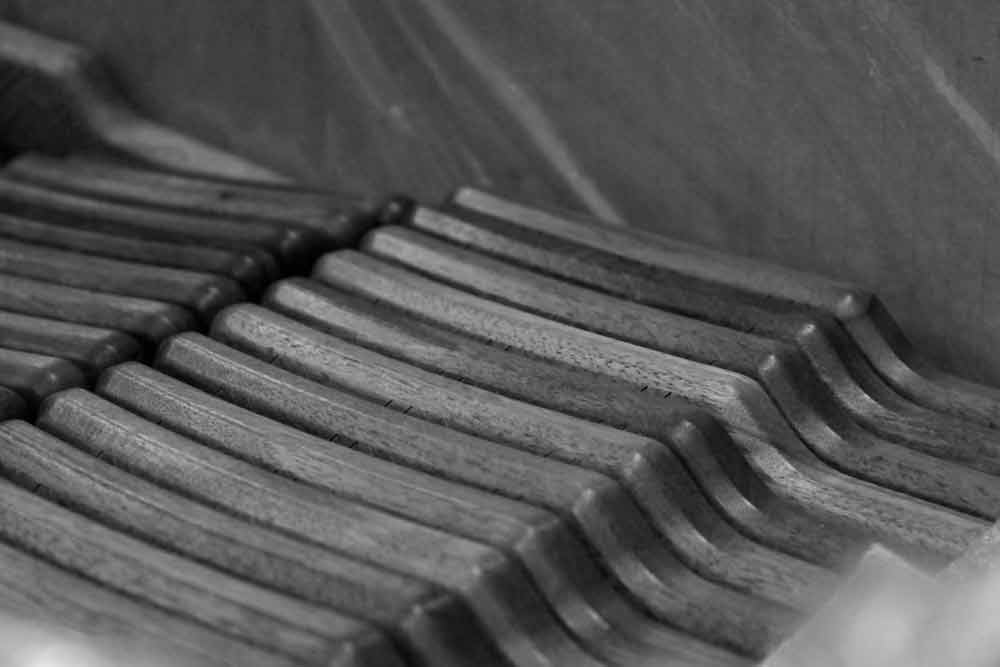
Refining the brush shape
After thorough cleaning, the brush bodies are carefully lacquered in several layers and dried. This finishing process makes the brush surface smooth and sealed. This results in significantly better protection against moisture, making the brush ideal for use in environments such as the bathroom.
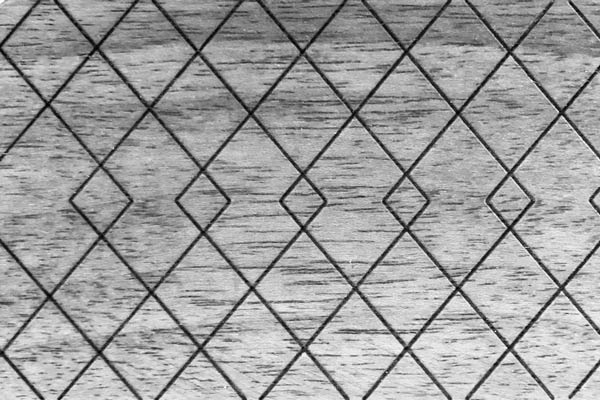
Each hair type receives an individual pattern.
The individual Leo Prinz patterns are engraved into the brush body using a precision laser.
The individual patterns create the unique Leo Prinz design and also represent different structures that can be found in the hair types.
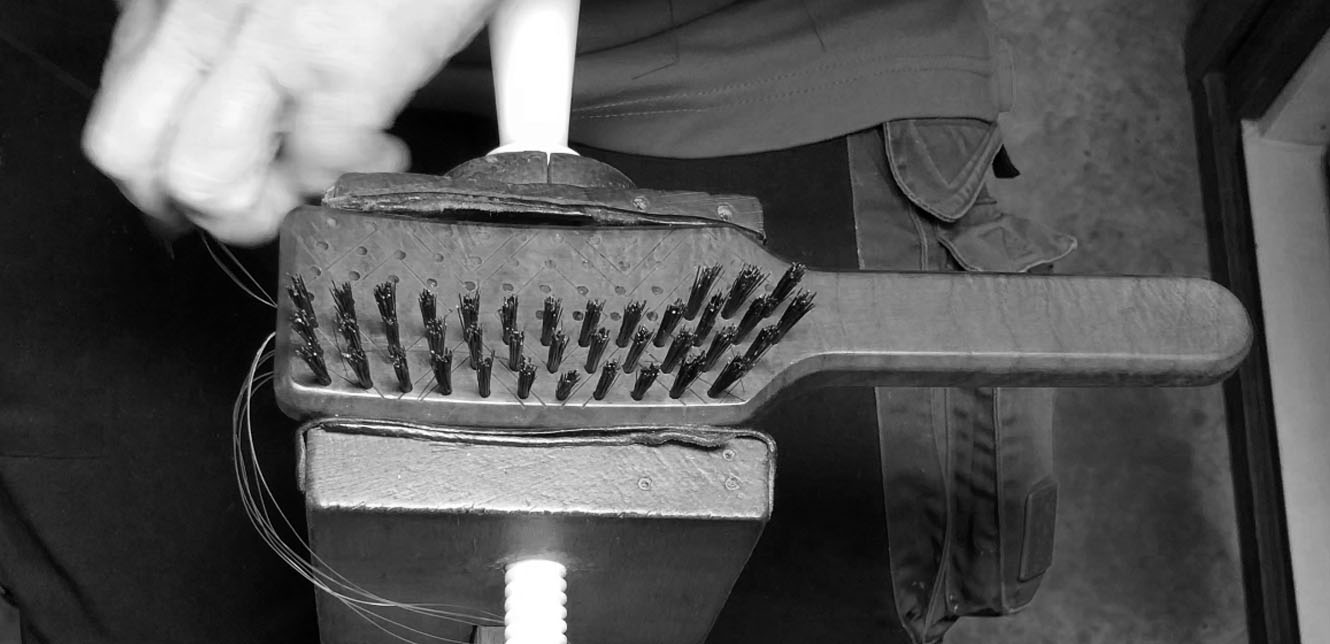
A unit is formed between the boar bristles and the brush body.
From the wooden handle and high-quality boar bristles, a genuine Leo Prinz boar bristle brush is created. Depending on the brush model, a varying number of holes are milled into the brush body. Each meticulously sorted bundle of bristles is then individually anchored. This process is entirely done by hand for the Professional (hand-inserted) models. It can only be performed by a few specialists with years of training. Even the necessary tools are specially handcrafted. Material usage is minimal, and the bristles are aligned in the same way as the wooden shape, which is modeled after the brush head.
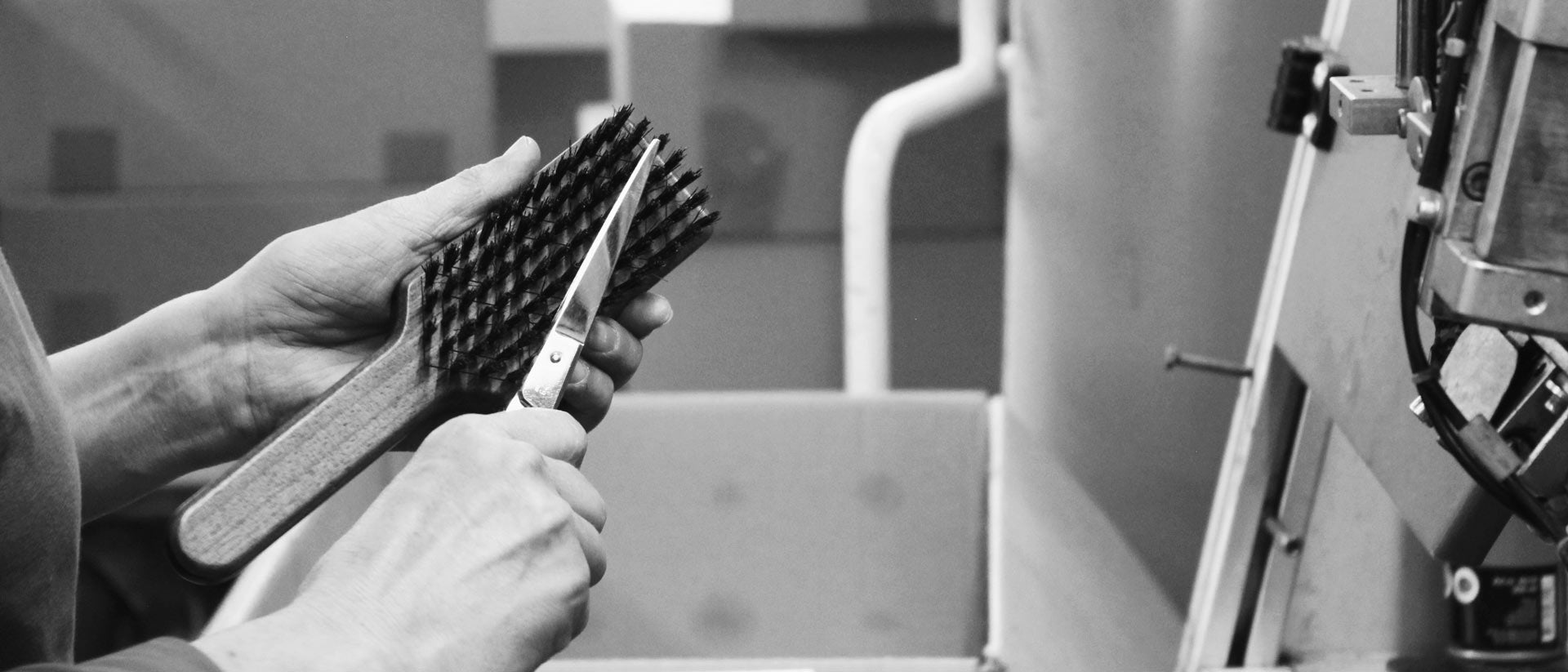
Manual post-processing
The next step involves the individually tailored finishing process. The bristle field is checked either for straightness or for thinning. Imperfections in thinning may appear flawed at first glance. However, their function is to create a desired unevenness that better accommodates individual hair variations.
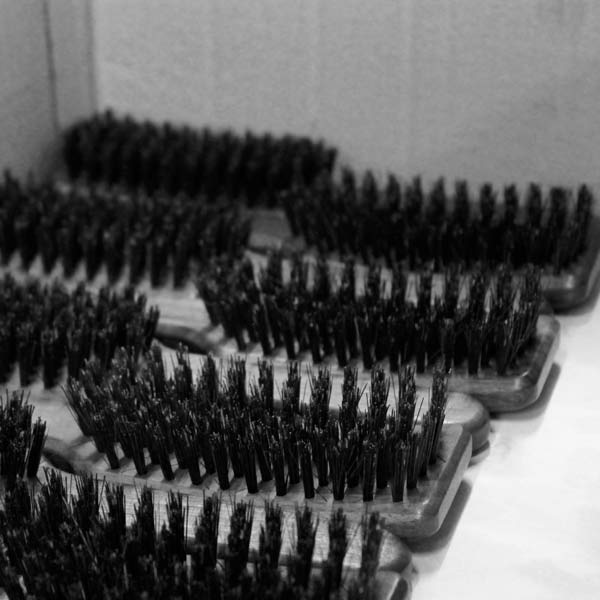
Final inspection
Any protruding bristles are trimmed and the product is inspected for defects. Afterward, it is packaged and shipped directly to you.